Sliding Doors — Smooth
Year-Round Performance
Energy-efficient vinyl and aluminum sliding door systems in multiple configurations. Engineered for airtight, draft-free performance through Canadian winters without sacrificing ease of operation.
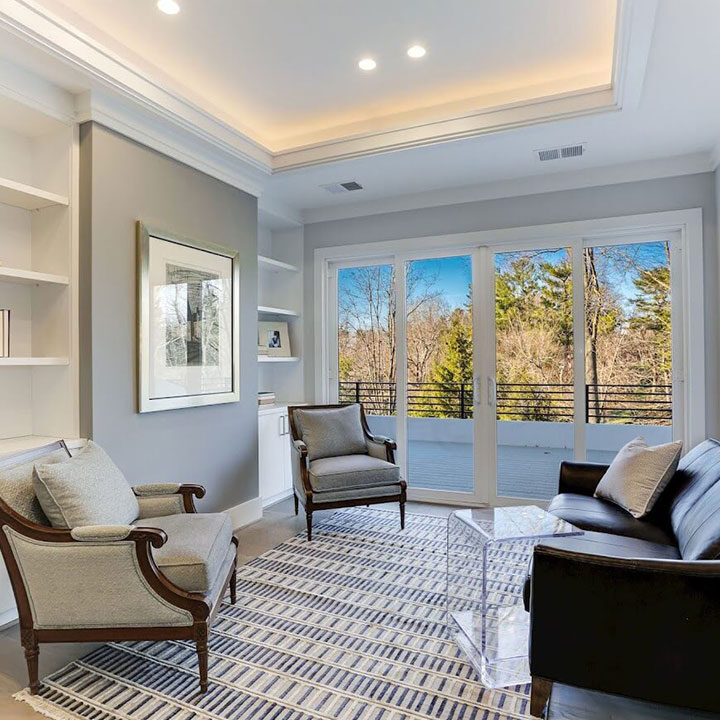
Sacrificing the Envelope
Standard sliding doors earn a bad reputation for drafts in cold weather — because most are builder-grade systems not designed for Canadian temperatures. Our sliding door systems are a different category.
We supply multi-track vinyl and aluminum sliding systems with precision-engineered rollers, adjustable bottom carriers, and triple-seal perimeter weatherstripping rated for Canadian wind loads. The sash glides on stainless steel ball-bearing rollers that don't freeze or degrade over time.
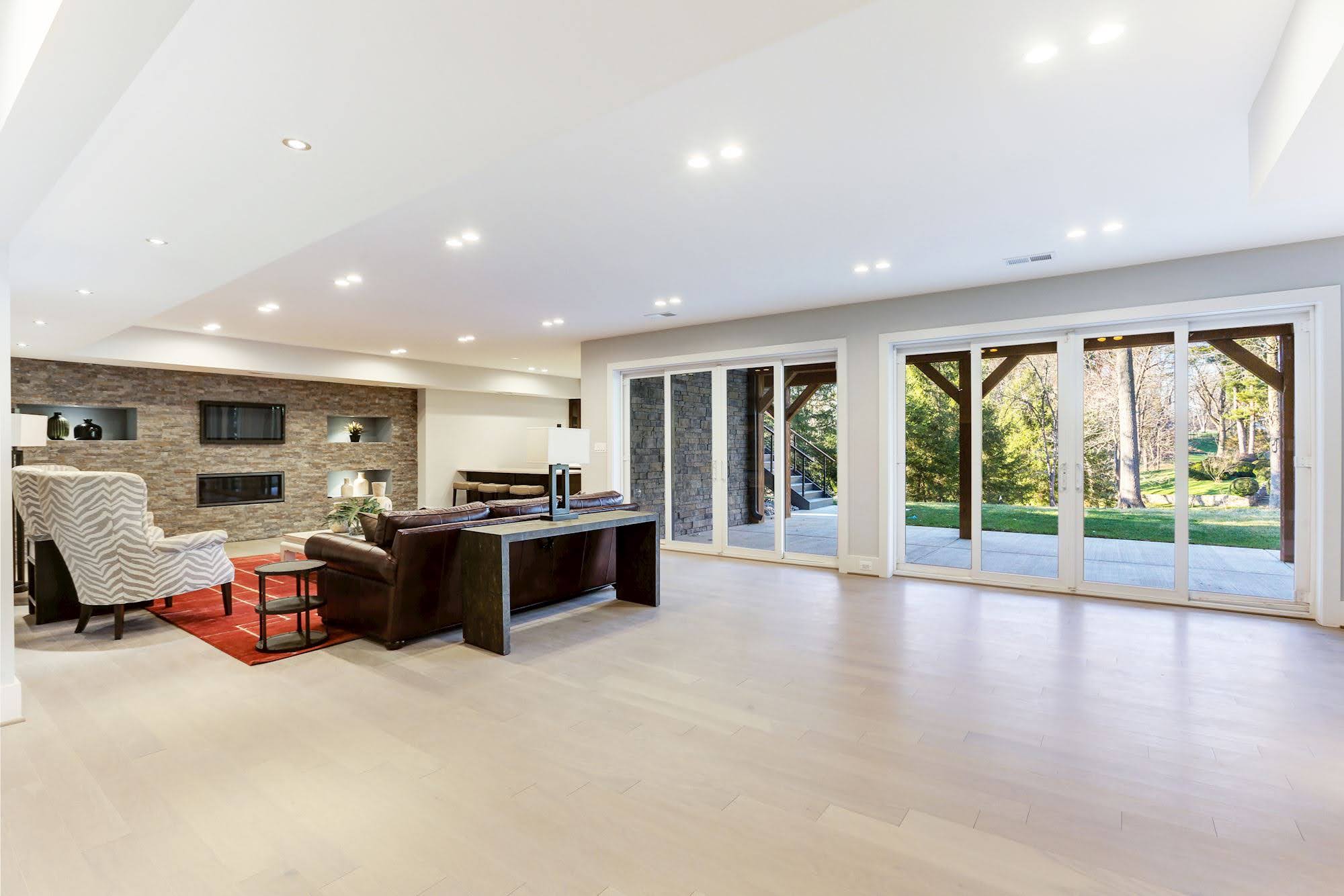
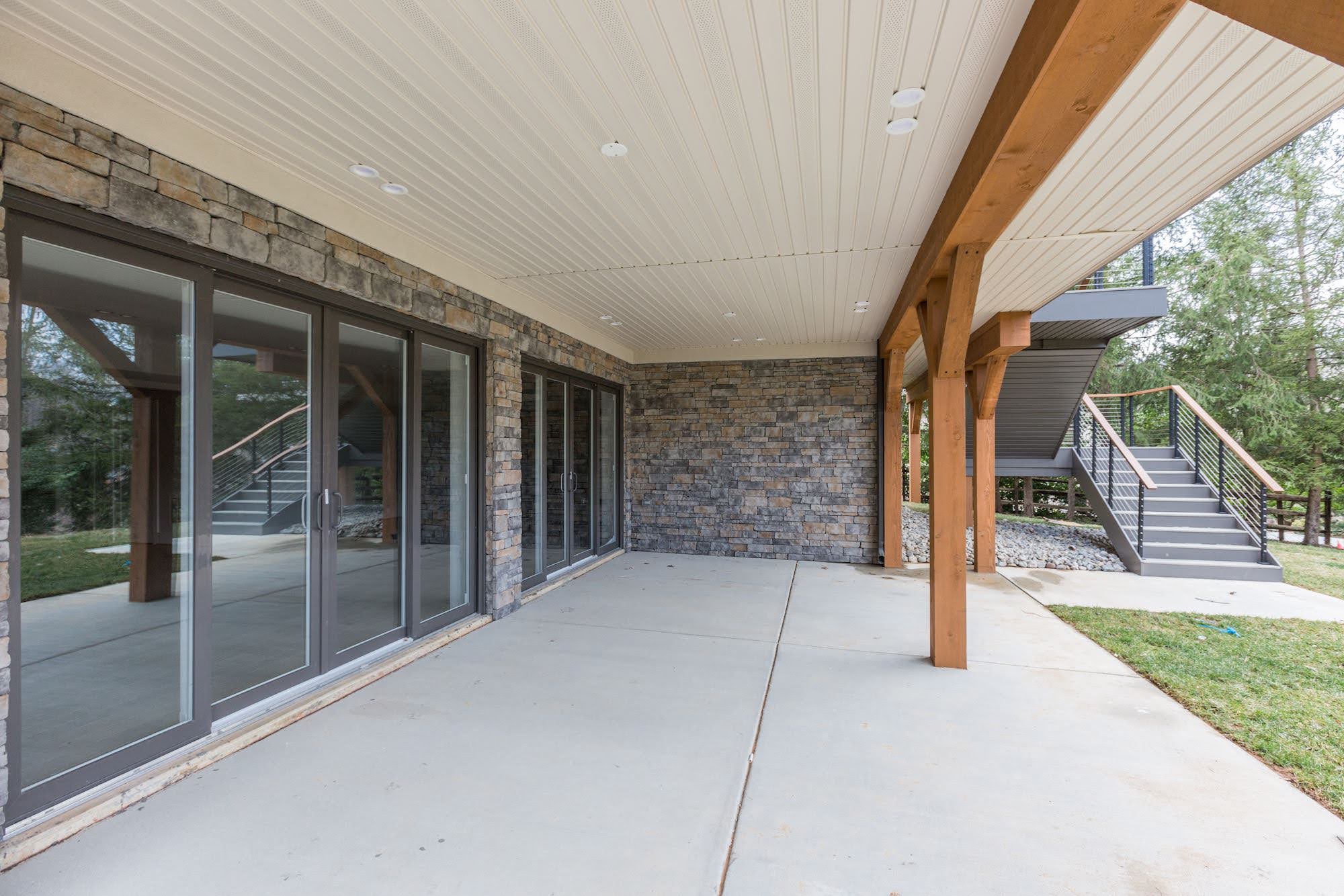
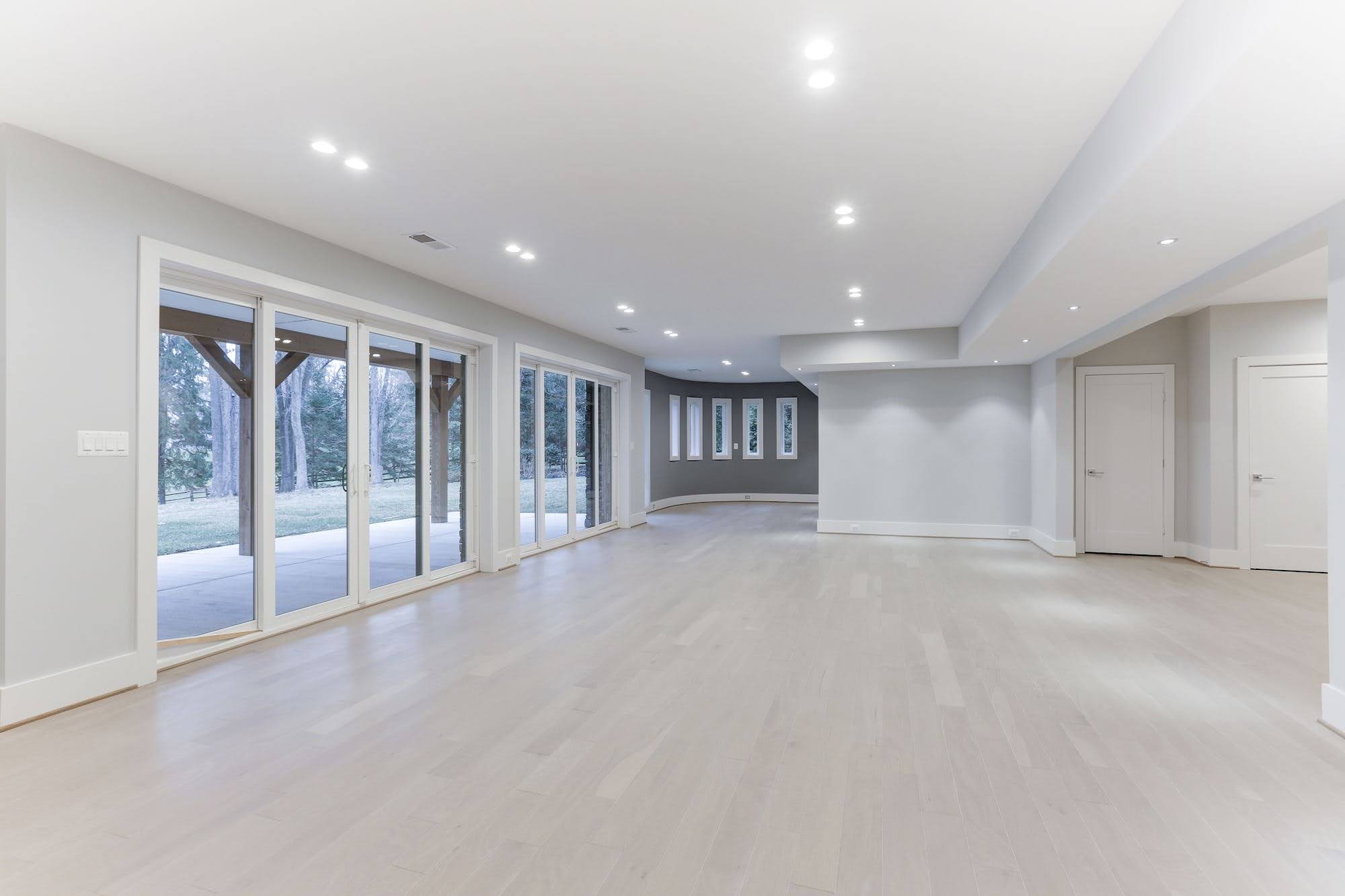
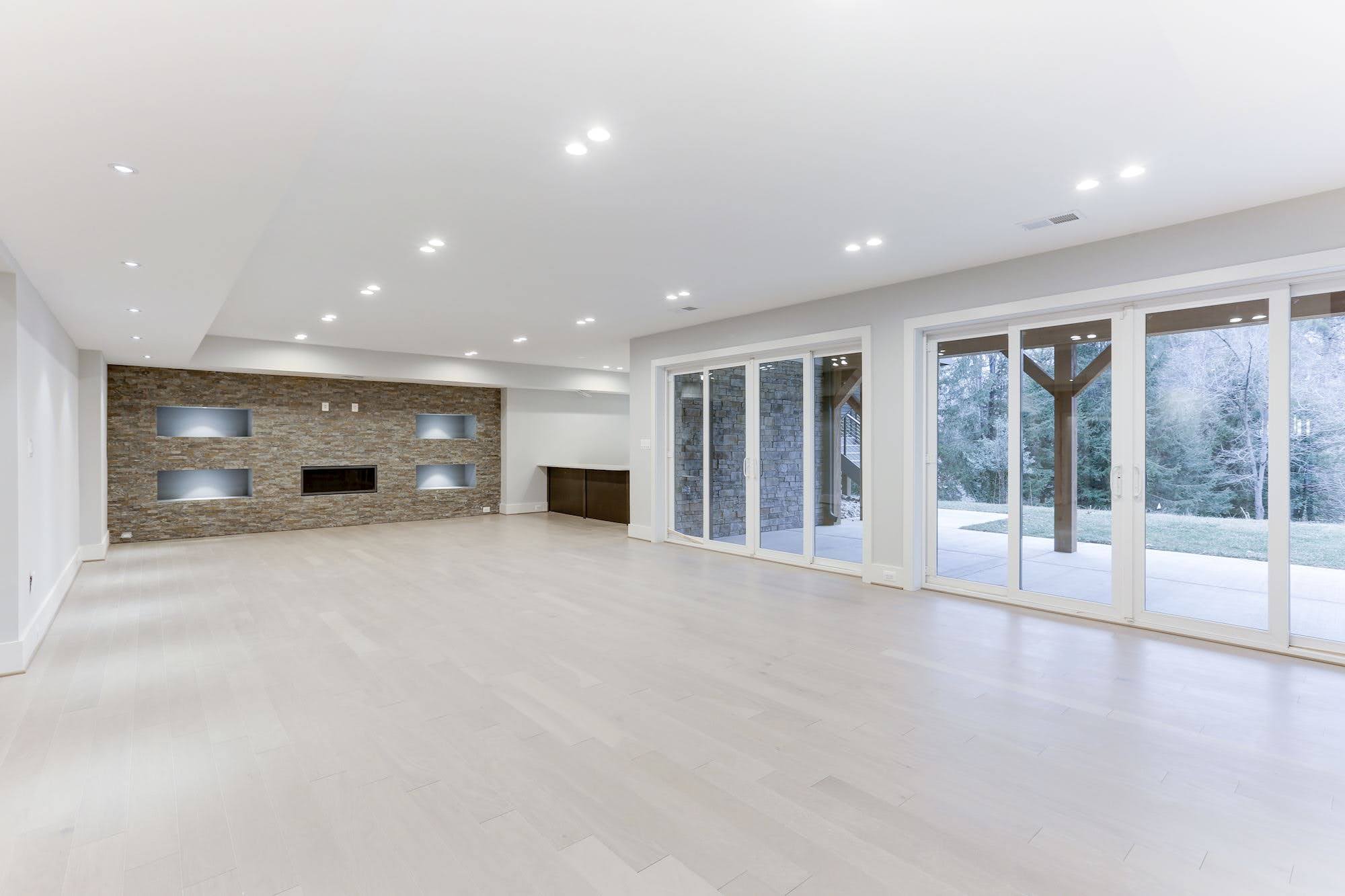
Available in 2-track, 3-track, and 4-track configurations — including options where multiple panels all slide to create a full wall opening. All Energy Star certified.
Key Benefits
Triple-seal weatherstripping engages on all four sides of the sash — not just the meeting rail. No drafts. No condensation at the track. Properly sealed for the climate it operates in.
2, 3, or 4 track systems available. Stack all panels to one side for a full-width opening, or configure with both fixed and operable panels for your specific layout.
Stainless steel ball-bearing rollers are precision-engineered for smooth, quiet operation regardless of temperature. Adjustable carriers keep the sash level as the building settles.
High-performance double or triple glazing with Low-E coating and thermally broken frame profiles deliver excellent U-values — your sliding door won't be the weak point in your building envelope.
Available in the same systems as our windows — same colour, same finish, same sightline proportions. Your sliding door looks like it belongs, not like an afterthought.
Hook locking systems engage at top, middle, and bottom of the meeting rail — far more secure than the single-lever hook on a builder-grade sliding door.
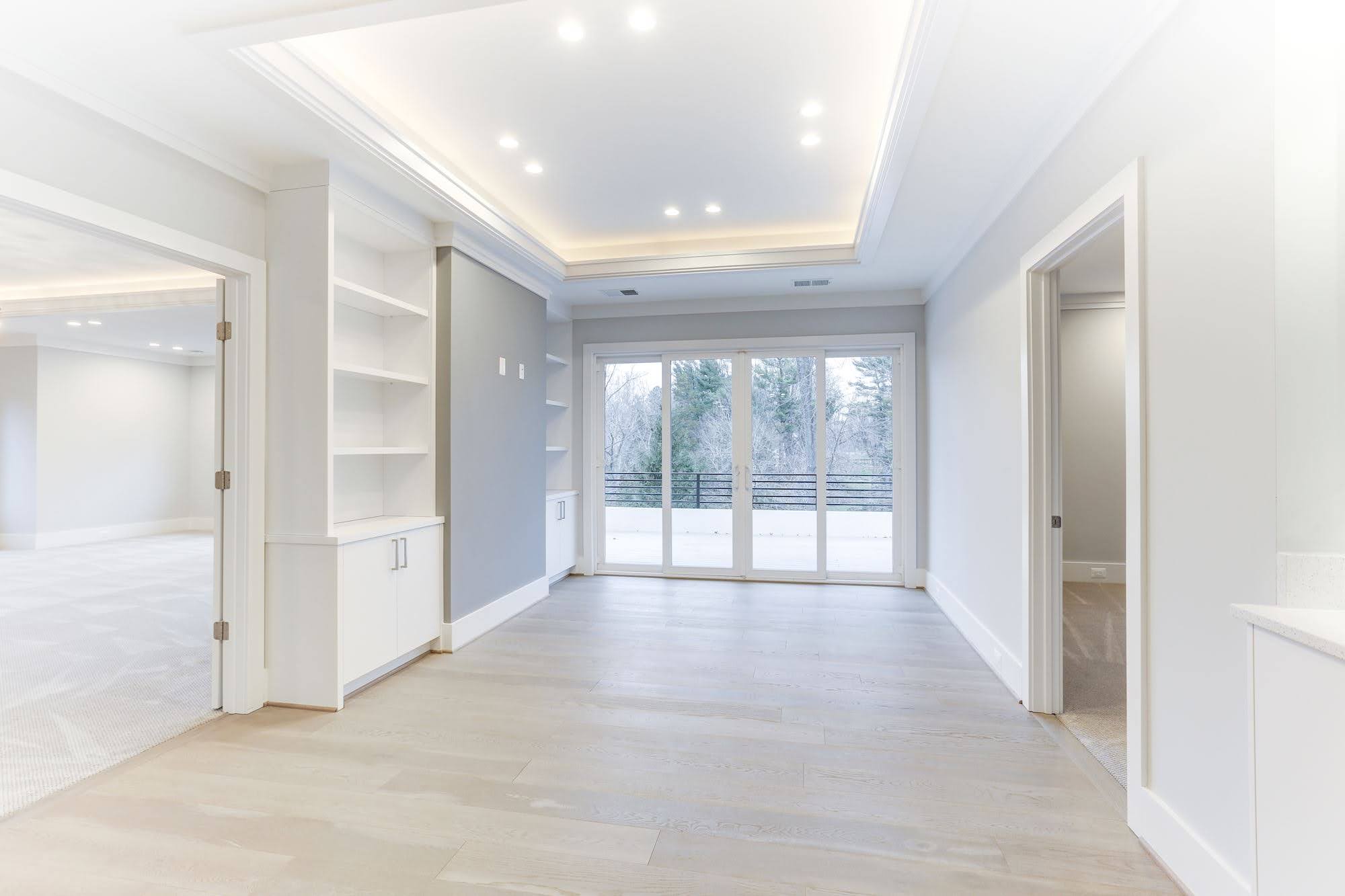
You May Also Be Interested In
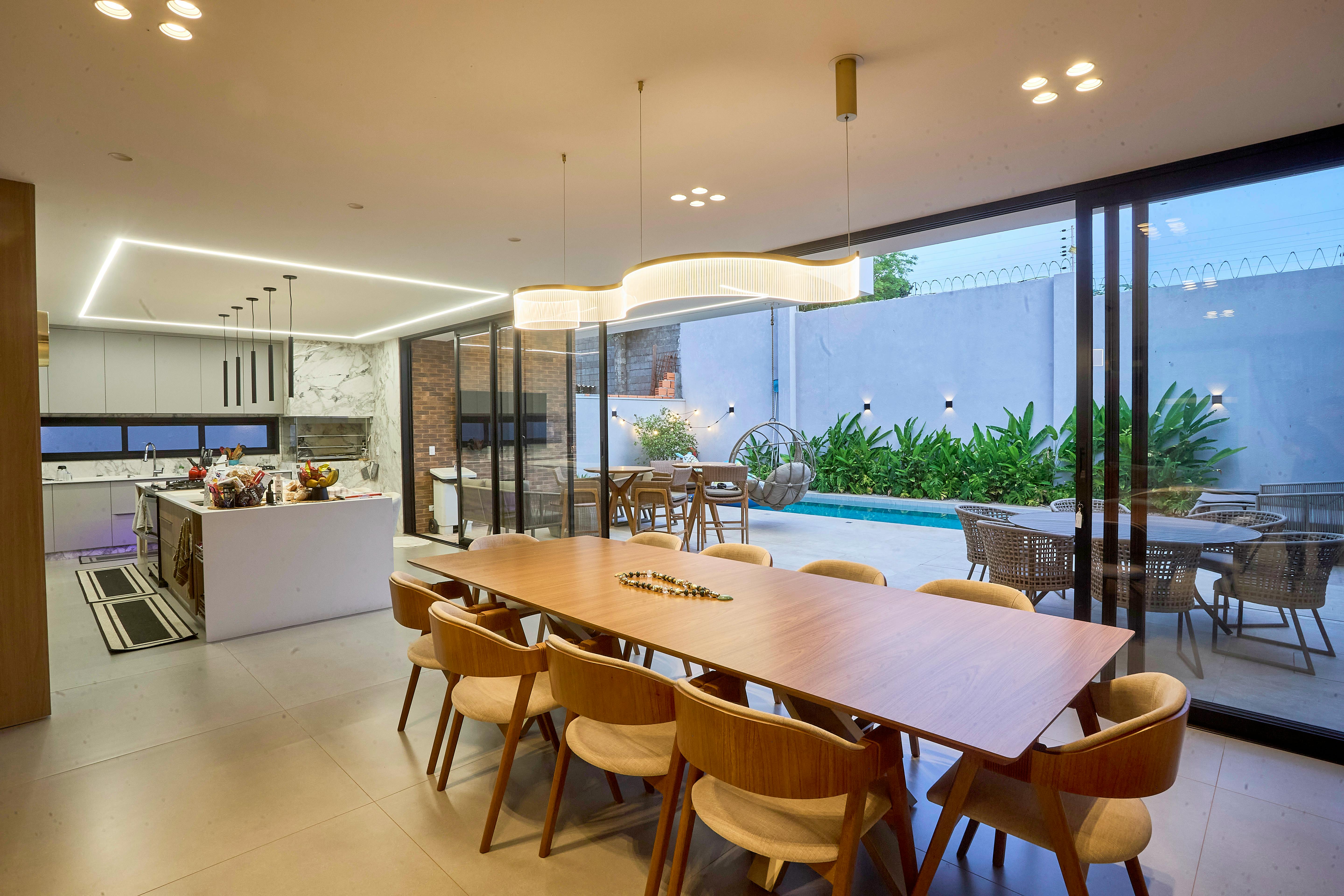
Premium aluminum lift-and-slide for floor-to-ceiling openings with effortless single-hand operation.
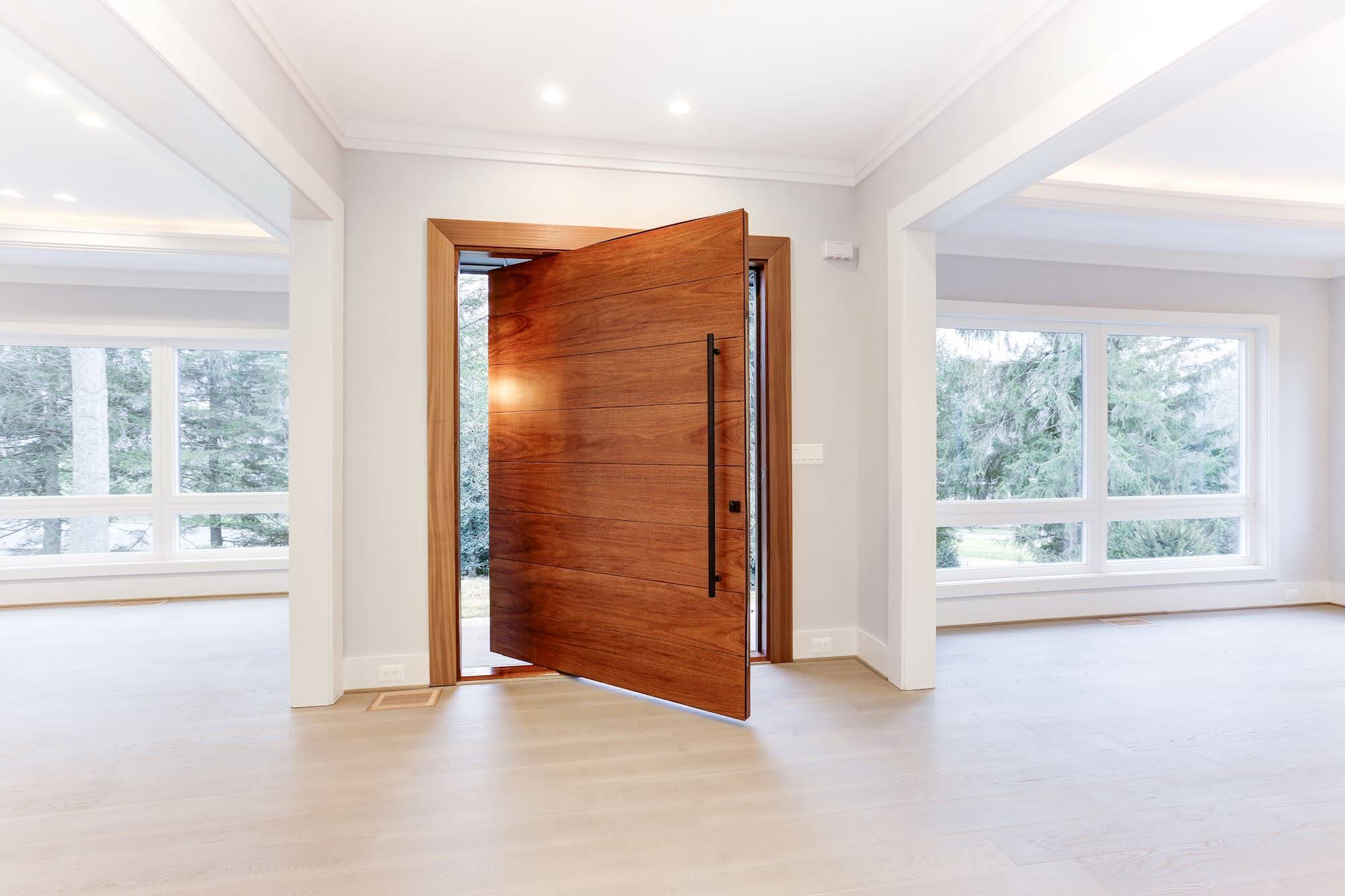
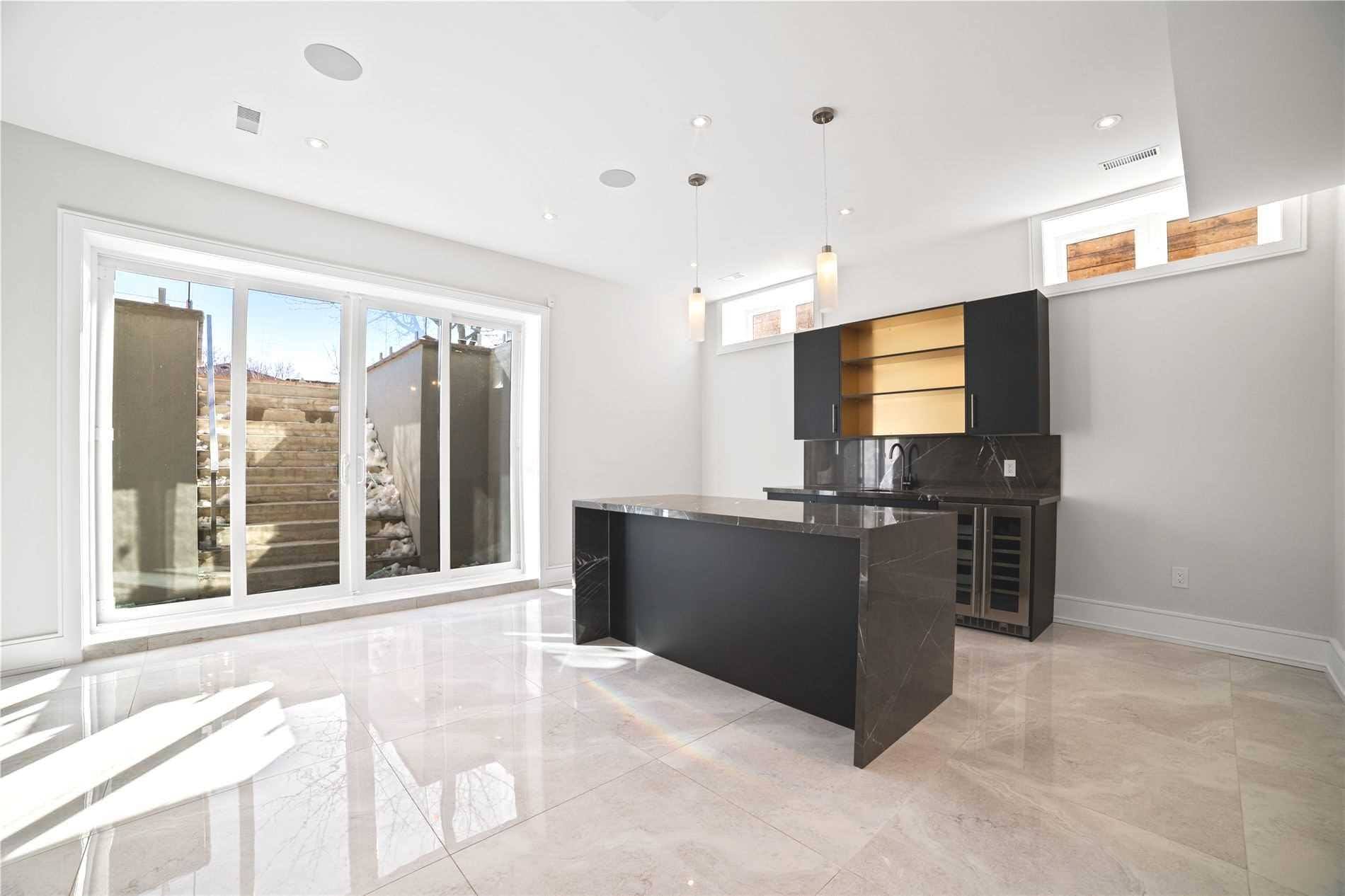
Matching swing door systems in aluminum, fiberglass, or steel.
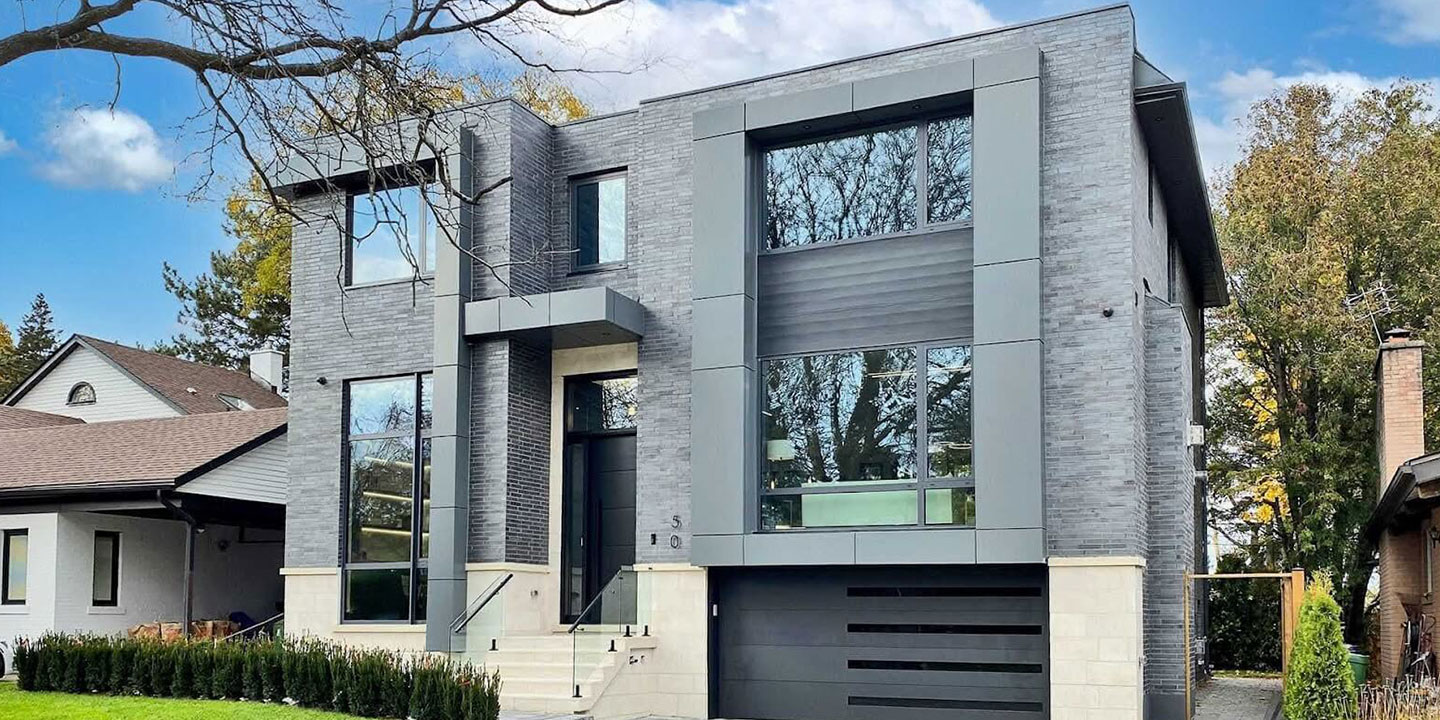
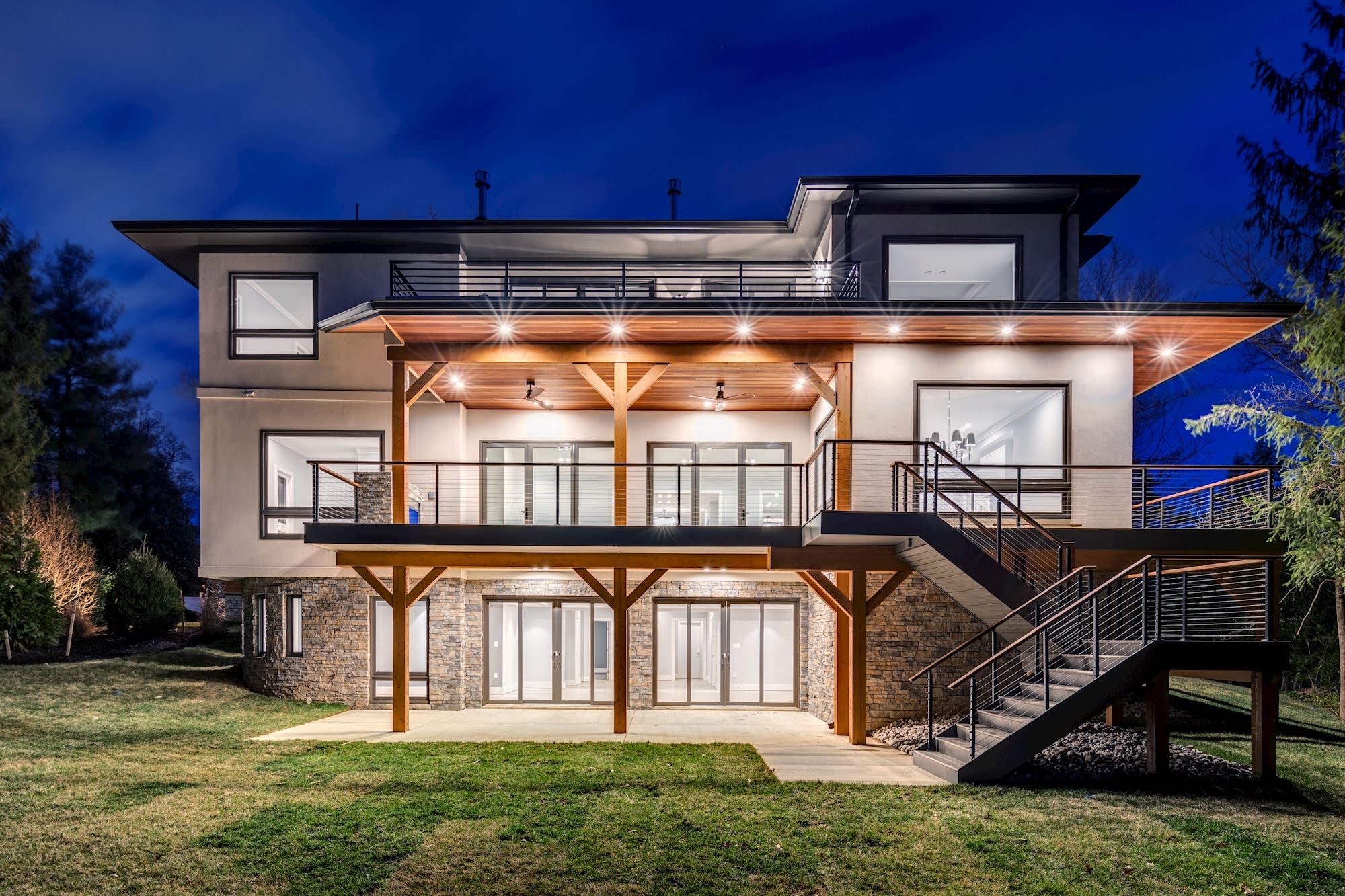
European aluminum profiles in the same system for a cohesive facade.
Looking for a Sliding Door?
We'll assess your opening, recommend the right track configuration and glazing, and quote supply and installation — usually within 48 hours.